Women's Wellness at Every Stage of Life: Chiropractic Care, Pelvic Floor PT & Pilates
Supporting Every Stage of Life
Supporting women's strength, movement, comfort, and confidence—from adolescence through motherhood, menopause, and beyond.
Women's bodies are constantly evolving. From the physical changes of adolescence to pregnancy, postpartum recovery, perimenopause, and the years beyond, each stage of life brings unique challenges—and opportunities to better understand and care for our bodies. Yet women's health is often approached one symptom at a time. Back pain. Pelvic discomfort. Bladder leakage. Changes in strength. Reduced mobility. Difficulty returning to exercise after childbirth. What if we looked at these concerns as part of a bigger picture?
At Pilates by Tammie, we believe women's wellness deserves a more connected approach. Chiropractic care, pelvic floor physical therapy, and Pilates each offer different ways to support musculoskeletal health, movement, and function.
The goal isn't simply to move more.
It's to move well, understand our bodies, and feel supported through every stage of life.
Chiropractic Care: Supporting Spinal Health, Mobility & Comfort
Chiropractic care focuses primarily on the musculoskeletal system, particularly the spine, joints, and their relationship to movement and physical function. Treatment may include joint mobilization, spinal manipulation, soft-tissue techniques, exercise recommendations, and movement education. For women experiencing certain types of back pain, chiropractic care can be one option within a broader treatment plan.
Chiropractic care during pregnancy
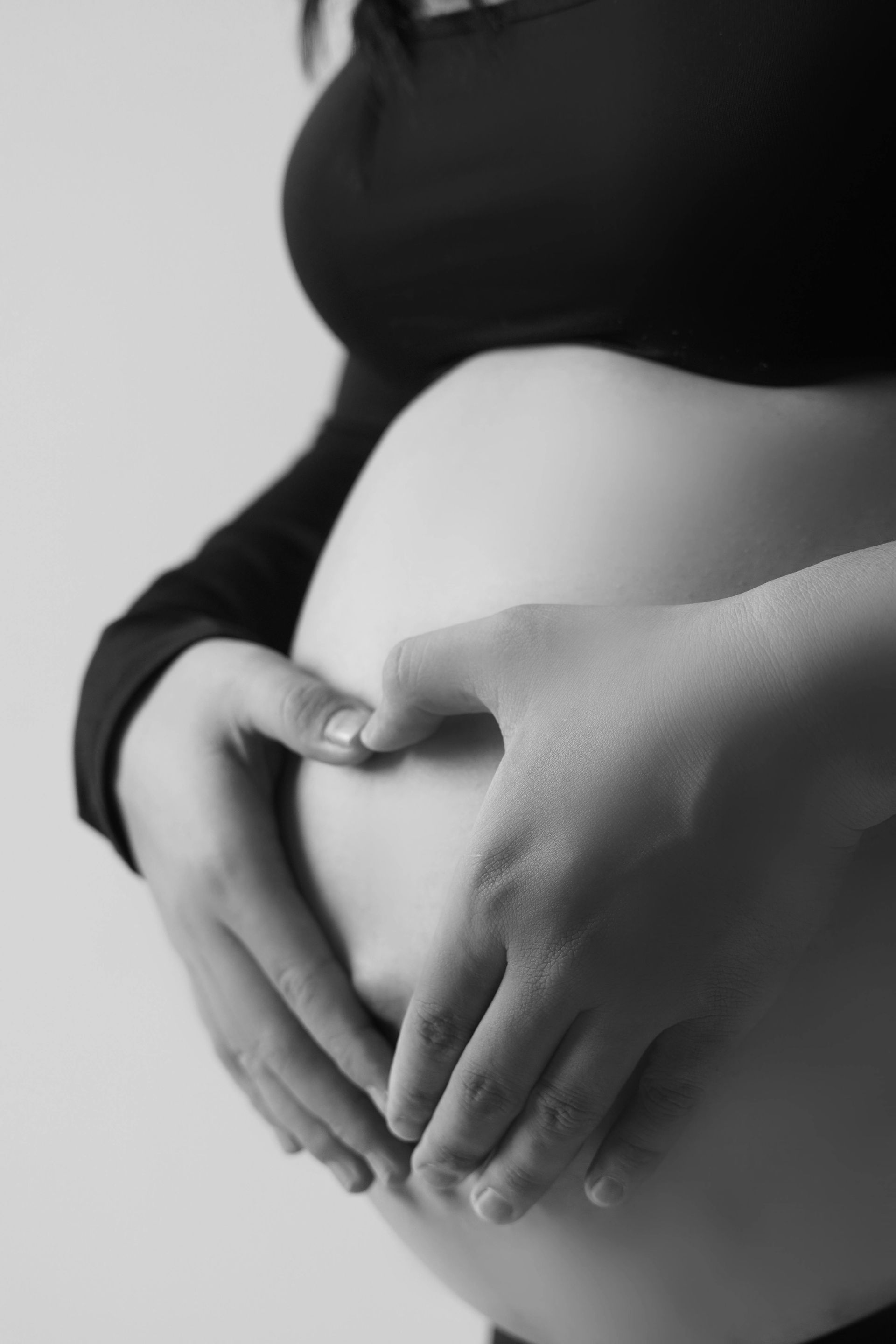
Pregnancy changes the way the body moves. As the abdomen grows and the body's center of gravity shifts, muscles and joints adapt to changing physical demands. Some women experience lower-back discomfort, pelvic girdle pain, or difficulty finding comfortable positions for everyday activities. Chiropractic providers with pregnancy-specific experience may offer individualized musculoskeletal assessment and treatment to help address these symptoms.
A 2020 systematic review published in the Journal of Manipulative and Physiological Therapeutics examined chiropractic interventions for pregnancy-related lower-back and pelvic girdle pain. Researchers found some encouraging results, but concluded that evidence for chiropractic-specific care remained inconclusive.
This means chiropractic treatment may provide relief for some women, but more high-quality research is needed to establish its effectiveness and safety during pregnancy.
Women considering chiropractic care during pregnancy should discuss it with their obstetric provider and choose a practitioner experienced in prenatal care.
What about chiropractic care for infants and children?
Family-focused chiropractic practices sometimes provide care to infants and children. However, pediatric care requires a particularly careful, evidence-based approach. Research does not currently establish that spinal manipulation effectively treats infant colic, reflux, feeding difficulties, or other non-musculoskeletal conditions.
The American Academy of Pediatrics has highlighted the lack of high-quality evidence for pediatric spinal manipulation, particularly in infants, and potential safety concerns. Parents should discuss symptoms with their child's pediatrician before considering manual therapies. Pediatric evaluation, developmentally appropriate movement guidance, and coordinated care should always come first.
Beyond pregnancy
During adulthood and later life, chiropractic care may have a role in managing certain types of back pain and movement-related discomfort. Research from the National Institutes of Health suggests spinal manipulation may produce modest improvements in pain and physical function for some people with lower-back pain.
The takeaway: Chiropractic care is best understood as a potential option for selected musculoskeletal concerns—not a universal treatment for women's health conditions.
Pelvic Floor Physical Therapy: An Essential Part of Women's Health at Every Age
When we think about strengthening our bodies, we often picture our abdominal muscles, legs, arms, or back.
But there is an important group of muscles that deserves just as much attention: the pelvic floor.
The pelvic floor is a group of muscles and connective tissues that supports the bladder, uterus, and bowel. These muscles play an important role in bladder and bowel control, pelvic organ support, sexual function, and coordination with breathing and abdominal movement. And pelvic floor health matters long before pregnancy and continues long after menopause. Adolescence and young adulthood. Pelvic floor concerns are not limited to women who have given birth. Teenagers and young adults can experience pelvic discomfort, constipation, urinary urgency, difficulty coordinating pelvic floor muscles, or pain associated with overactive pelvic musculature.
Pelvic floor physical therapy, when clinically appropriate, can help identify whether muscles are weak, overactive, poorly coordinated, or having difficulty relaxing. For younger women, learning about pelvic health early can help establish healthy habits and encourage them to seek care when something does not feel right.
Pregnancy and postpartum recovery. During pregnancy, the pelvic floor supports increasing physical demands as the uterus grows. Childbirth can place additional stress on the pelvic muscles, connective tissues, and nerves.
After delivery, some women experience:
- Urinary leakage when coughing, laughing, or exercising
- Pelvic pressure or heaviness
- Difficulty coordinating abdominal and pelvic muscles
- Pain or discomfort with intimacy
- Bowel-control difficulties
- Challenges returning to higher-impact exercise
These concerns deserve attention rather than dismissal as an inevitable part of motherhood. A major Cochrane review published in 2020 examined pelvic floor muscle training during pregnancy and after childbirth. It found evidence that structured training can help prevent urinary incontinence, particularly among women who were continent when beginning the program. Pelvic floor physical therapists do more than prescribe Kegel exercises. They evaluate strength, relaxation, coordination, breathing, movement strategies, and individual symptoms.
An important distinction: A healthy pelvic floor needs to know how to relax just as effectively as it knows how to contract.
For some women, more strengthening is not the answer. Overactive or excessively tense pelvic muscles may require relaxation techniques, breathing work, and individualized treatment instead.
Perimenopause, menopause & beyond
As estrogen levels change during perimenopause and menopause, women may notice changes in bladder control, pelvic tissue health, and comfort during intimacy. These changes are common—but they are not something women simply have to accept. Pelvic floor therapy may help manage urinary incontinence and some symptoms of pelvic organ prolapse through individualized rehabilitation. Clinical guidelines from the National Institute for Health and Care Excellence (NICE) recommend supervised pelvic floor muscle training as a first-line treatment for stress or mixed urinary incontinence. Pelvic floor physical therapy may also complement medical treatment for menopause-related symptoms, although it does not replace treatments for estrogen-related vaginal or urinary tissue changes.
The takeaway: Pelvic floor health is lifelong health. Whether a woman is 16, 36, or 66, understanding these muscles can improve awareness and help address treatable problems affecting daily life.
Pilates: Building Strength, Stability & Confidence Through Every Transition
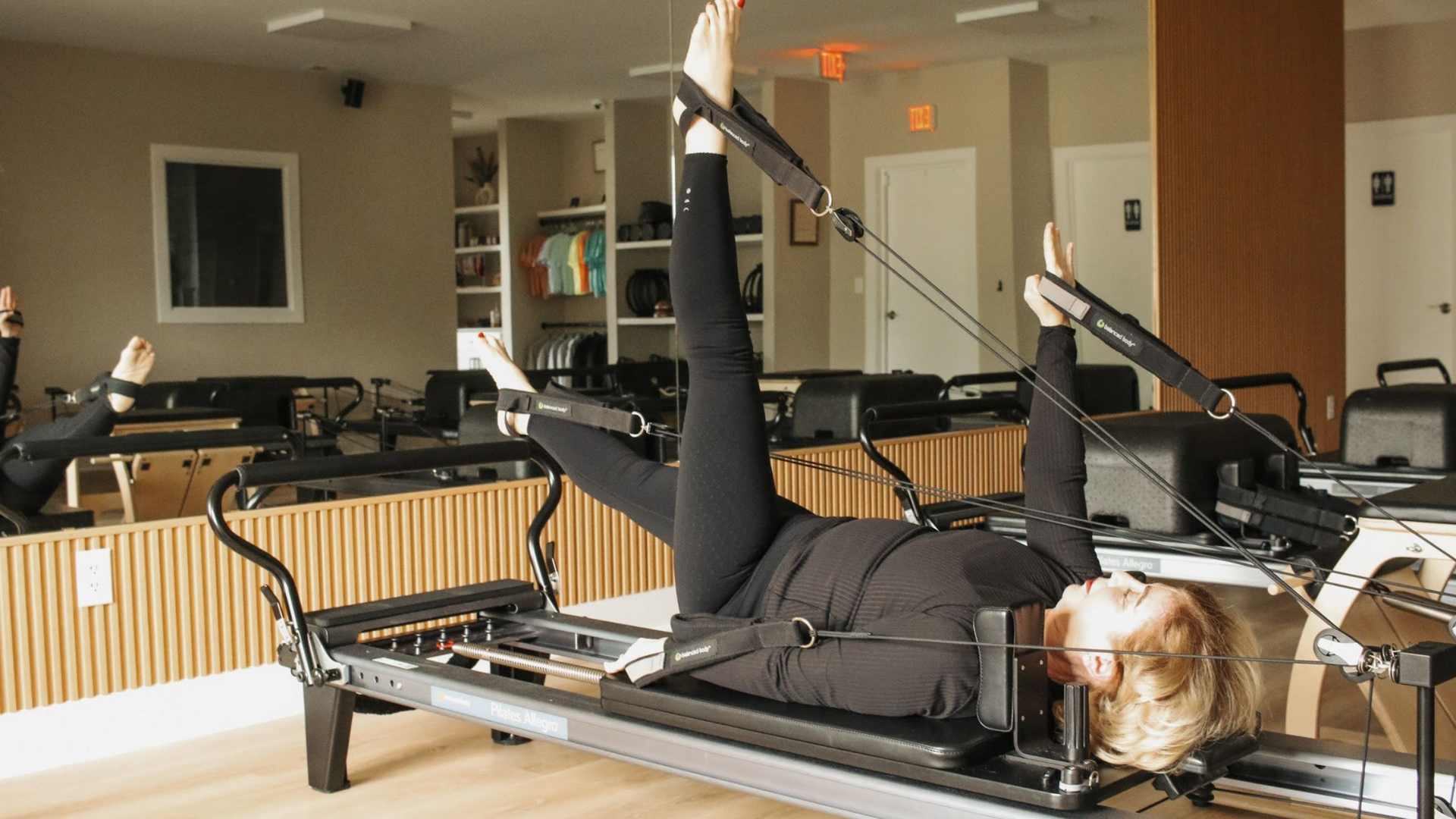
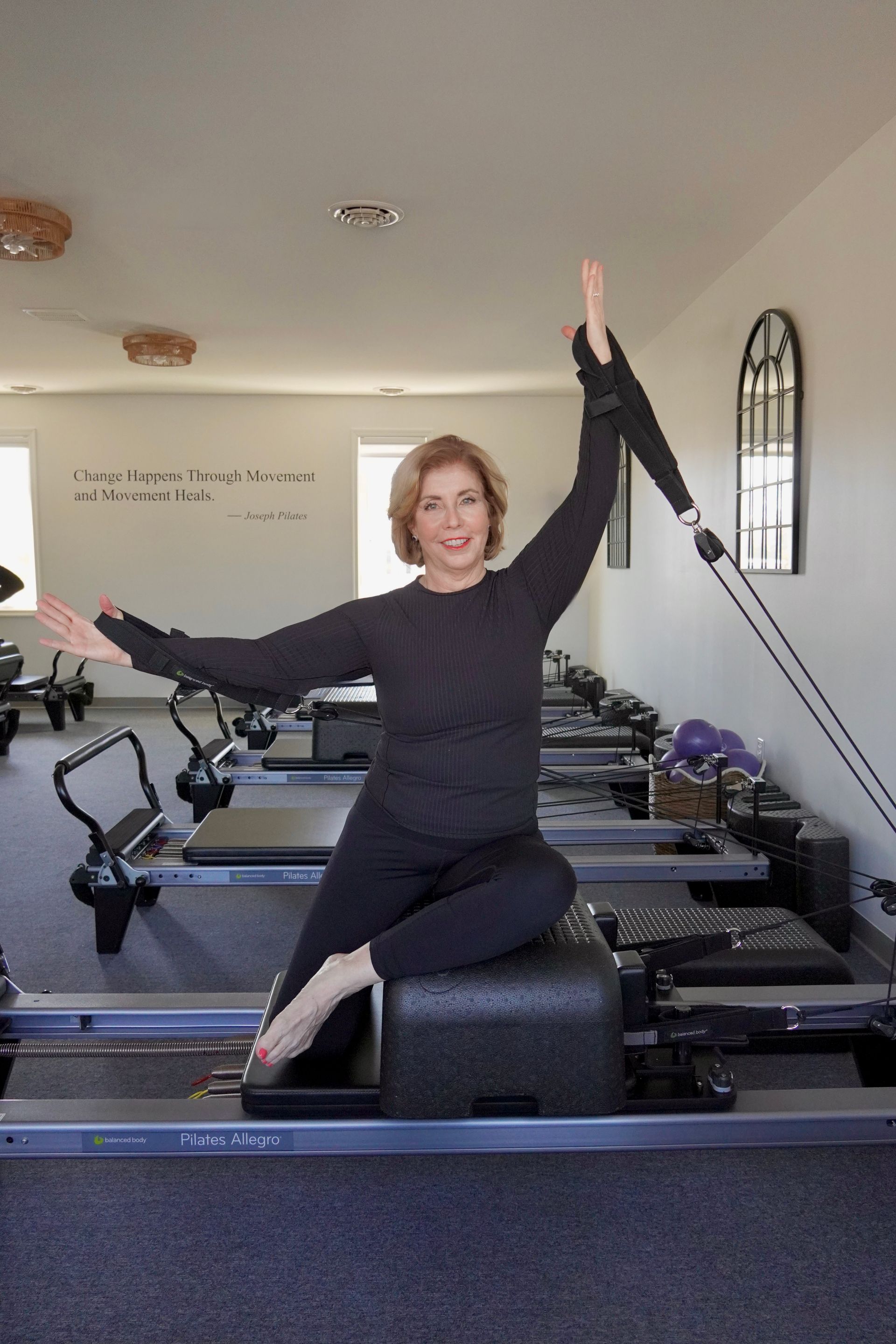
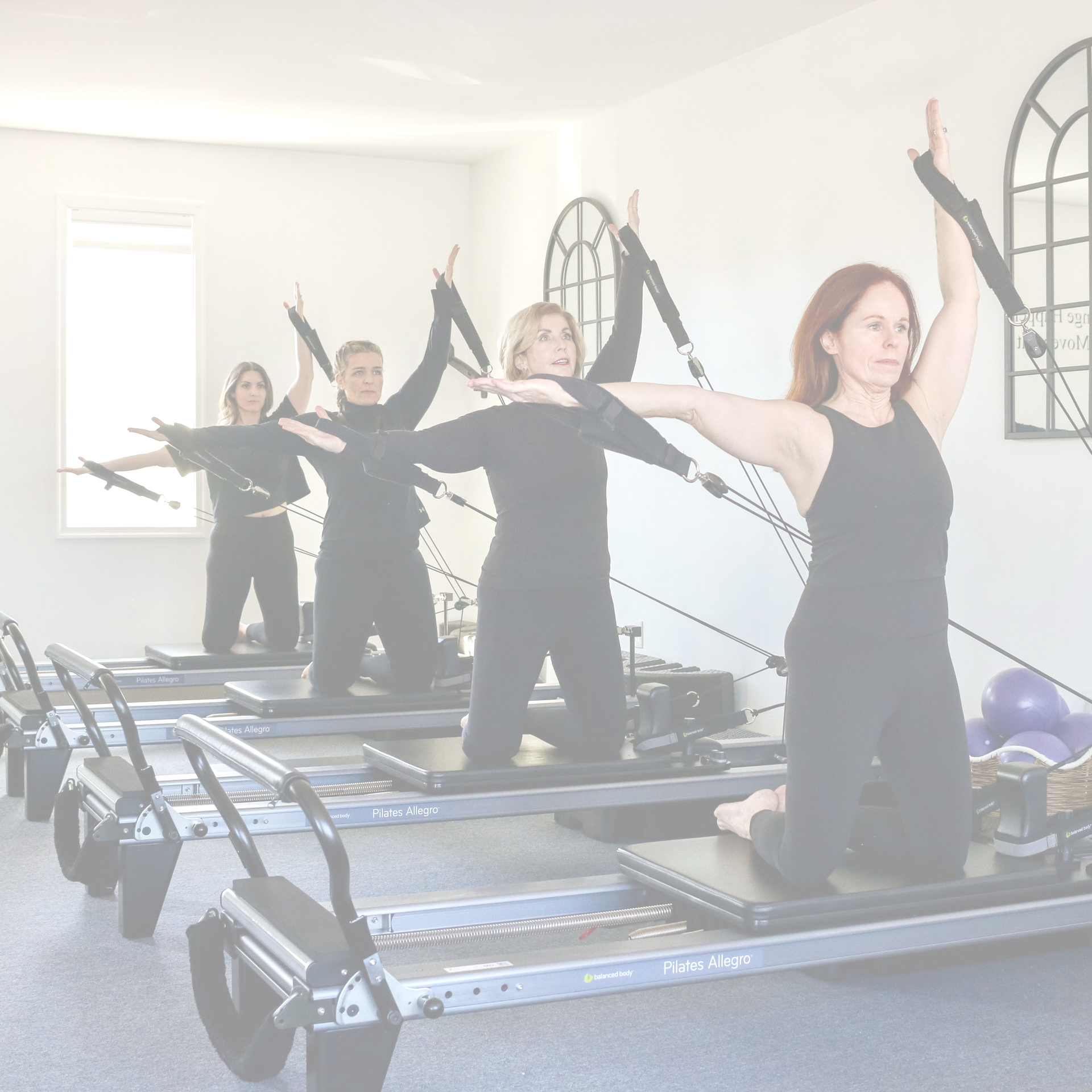
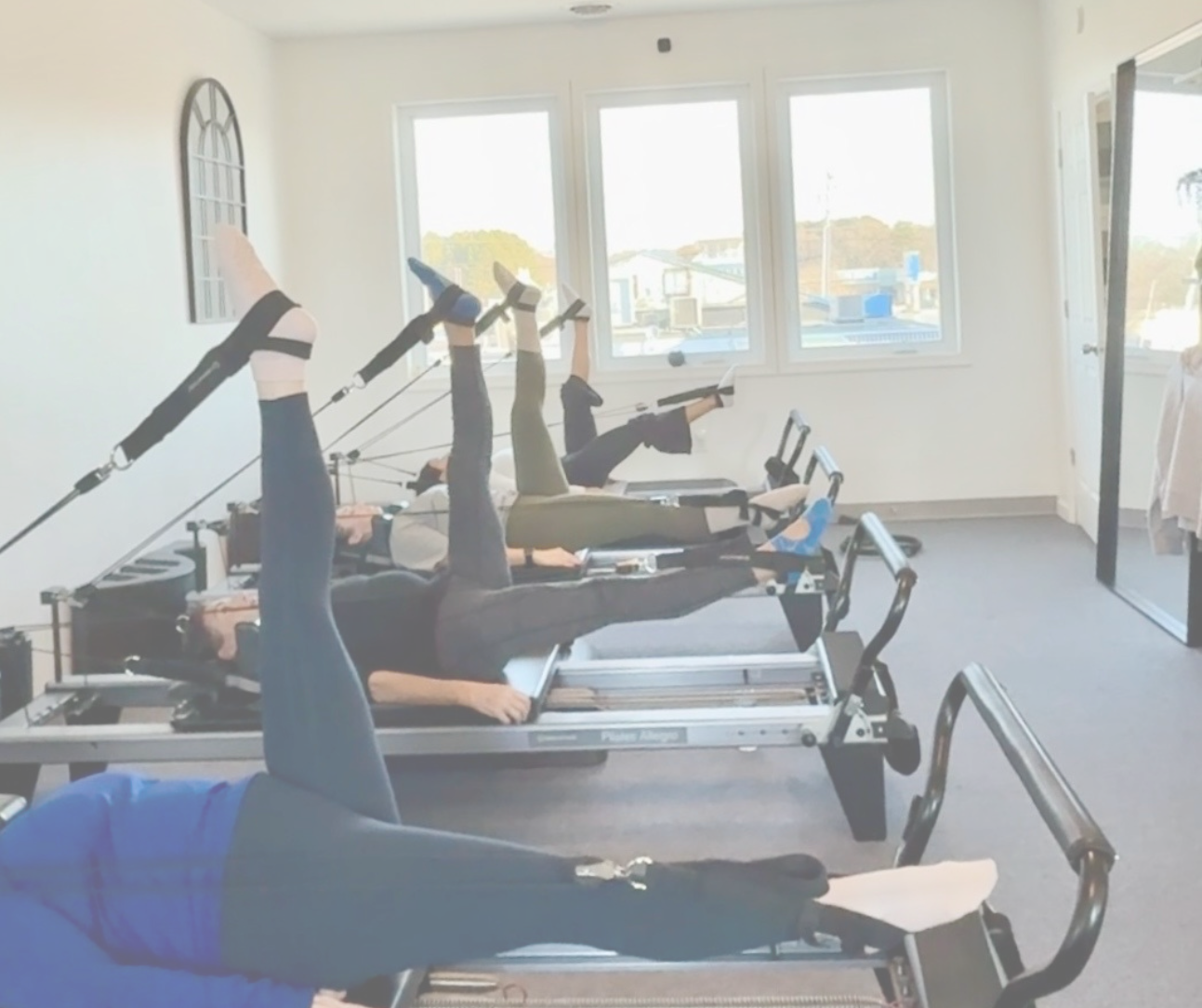
Pilates is more than an exercise trend. It is a movement practice that emphasizes controlled movement, muscular strength, breathing, flexibility, coordination, and body awareness. One of its greatest advantages is adaptability. Exercises can be modified for different fitness levels, physical abilities, and stages of life.
At our studio, we see the value of movement that challenges the body while respecting its individual needs. Pilates for teenagers and young women. Adolescence and early adulthood are important years for developing lifelong movement habits. Age-appropriate Pilates can help young women practice coordination, balance, body awareness, muscular endurance, and controlled movement. It also introduces an empowering concept: exercise is not simply about appearance. It is about what the body can do. Building strength and movement confidence early can support participation in sports, recreation, and everyday physical activity.
Prenatal Pilates: Strengthening through change
Pregnancy does not mean women need to stop moving. The American College of Obstetricians and Gynecologists (ACOG) recommends that women with uncomplicated pregnancies participate in appropriate aerobic and strength-conditioning exercise. Research associates prenatal exercise with a reduced risk of gestational diabetes, hypertensive disorders, and cesarean delivery, among other benefits. Pilates can be one way to incorporate controlled resistance exercise, breathing, and mobility into a pregnancy-appropriate routine.
Potential benefits of appropriately modified prenatal Pilates include:
- Building or maintaining muscular strength
- Supporting movement confidence as the body changes
- Improving coordination and balance
- Encouraging breathing awareness
- Managing certain types of pregnancy-related back discomfort
- Maintaining activity and physical function
A 2026 systematic review and meta-analysis published in BMJ Open examined 13 studies of prenatal Pilates. The researchers found that structured Pilates programs reduced pregnancy-related musculoskeletal pain, with moderate-certainty evidence, and improved disability-related outcomes, although the certainty of evidence for those outcomes was lower. This is encouraging support for thoughtfully designed prenatal Pilates programs.
Pregnancy-specific modifications matter. Exercise selection and intensity should reflect the individual's symptoms, trimester, experience, and medical guidance.
Postnatal Pilates: Rebuilding, not rushing
After childbirth, many women feel pressure to return to their pre-pregnancy bodies or previous exercise routines. But postpartum recovery is not a race. The body has undergone tremendous change, and the recovery process deserves patience and individualized support. Postnatal Pilates can provide a gradual approach to rebuilding strength, coordination, and confidence. Depending on a woman's recovery and clinical needs, a program may focus on breathing mechanics, abdominal and pelvic coordination, hip strength, spinal mobility, posture, and progressively more demanding movements. Working collaboratively with a pelvic floor physical therapist can be especially valuable when symptoms such as leakage, pelvic pressure, abdominal discomfort, or pain persist. Returning to movement should be guided by recovery, symptoms, and medical recommendations—not simply by the number of weeks since delivery.
Pilates during perimenopause and postmenopause
Perimenopause and menopause can bring changes in muscle mass, joint comfort, sleep, energy, and overall physical function. Resistance-based movement becomes increasingly important for maintaining strength and independence as we age. Pilates offers an adaptable form of resistance and balance training that can complement walking, aerobic exercise, and progressive strength training. A 2024 systematic review and meta-analysis examining Pilates in postmenopausal women found improvements in several areas of health-related quality of life, including physical functioning, bodily pain, and social functioning. Interestingly, the researchers observed favorable outcomes in studies using Pilates equipment, although the certainty of the evidence was not high.
For women in midlife and beyond, regular Pilates may help support:
- Muscle strength and endurance
- Balance and coordination
- Mobility and flexibility
- Movement confidence
- Physical function during everyday activities
- Overall quality of life
Pilates is not a replacement for medical menopause care or for the weight-bearing and progressive resistance exercise important to bone health. It can, however, be a valuable part of a well-rounded wellness routine.
The takeaway: Pilates can evolve with a woman's body, providing appropriate challenges and support rather than expecting the body to remain the same throughout life.
Why These Three Disciplines Work Well Together
Women's wellness is rarely about one muscle, one joint, or one exercise. The pelvic floor, abdominal muscles, diaphragm, hips, and spine all contribute to how we move and function. This is where collaboration becomes valuable. Consider a woman experiencing lower-back discomfort during pregnancy. A healthcare provider may evaluate the cause of her pain and determine whether musculoskeletal treatment is appropriate. A pelvic floor physical therapist may assess pelvic muscle function, breathing coordination, and symptoms related to pelvic support. A prenatal-trained Pilates instructor can then guide appropriate strengthening and movement practices that complement her care. Each professional contributes a different area of expertise.
The same collaborative approach can be useful postpartum or during menopause, when women may be managing several physical changes at once. Importantly, these services are not interchangeable. Their benefits depend on the woman's individual needs, and research has not established that combining all three produces better outcomes than receiving appropriate individual care. The real value is communication, individualized attention, and helping women access the right expertise at the right time.
Women's Wellness Is Not One-Size-Fits-All
A teenager learning body awareness has different needs from a pregnant woman experiencing pelvic discomfort. A new mother rebuilding strength has different priorities from a woman navigating menopause.
But they share something important: every woman deserves reliable information, compassionate care, and the opportunity to feel strong and capable in her body. Wellness should not begin only when pain or dysfunction appears. It can also involve education, preventive habits, building physical strength, recognizing symptoms early, and knowing when to seek professional guidance. At Pilates by Tammie, we believe in creating a space where women feel supported—not judged—through those transitions.
Join the Conversation: Women's Wellness at Every Stage
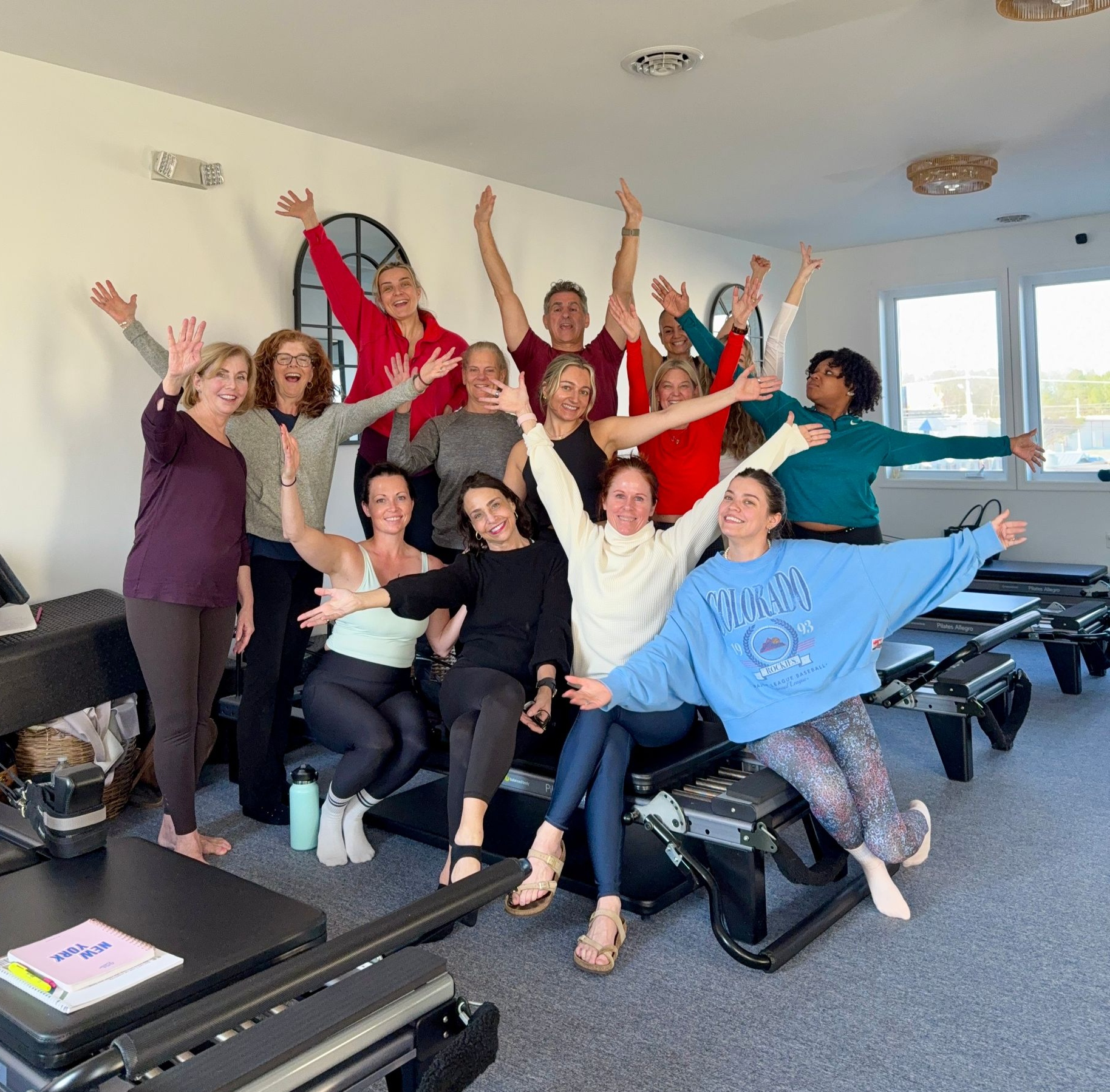
This December, Pilates by Tammie is bringing together professionals in family chiropractic care, pelvic floor physical therapy, and prenatal/postnatal Pilates for a community-focused women's wellness gathering.
Our goal is simple: To encourage more conversations about women's health, answer questions that often go unasked, and help women better understand the care and movement options available to them. Whether you're navigating your teenage years, considering pregnancy, preparing for childbirth, recovering postpartum, approaching menopause, or simply interested in taking better care of your body, this conversation is for you. Because women's wellness isn't just about pregnancy. And it isn't just about aging.
It's about feeling informed, supported, and empowered in your body—at every stage of life.
With strength, gratitude, and a passion for lifelong movement,
--Tammie
Educational note: This article shares general health information and is not a substitute for individualized medical advice. Chiropractic care, pelvic floor rehabilitation, and Pilates should be adapted to each person's health status and needs. Pregnant and postpartum participants should follow guidance from their obstetric healthcare providers.
Research & References
- American College of Obstetricians and Gynecologists. (2020). Physical Activity and Exercise During Pregnancy and the Postpartum Period. Committee Opinion No. 804. https://www.acog.org/clinical/clinical-guidance/committee-opinion/articles/2020/04/physical-activity-and-exercise-during-pregnancy-and-the-postpartum-period
- Song, C., et al. (2026). Pilates during pregnancy for maternal musculoskeletal pain and discomfort: A systematic review and meta-analysis. BMJ Open, 16, e112441. https://doi.org/10.1136/bmjopen-2025-112441
- Woodley, S. J., et al. (2020). Pelvic floor muscle training for preventing and treating urinary and faecal incontinence in antenatal and postnatal women. Cochrane Database of Systematic Reviews. https://doi.org/10.1002/14651858.CD007471.pub4
- National Institute for Health and Care Excellence. (2021). Pelvic floor dysfunction: Prevention and non-surgical management. Guideline NG210. https://www.nice.org.uk/guidance/ng210
- National Institute for Health and Care Excellence. (2019). Urinary incontinence and pelvic organ prolapse in women: Management. Guideline NG123. https://www.nice.org.uk/guidance/ng123
- Chiropractic Care for Adults With Pregnancy-Related Low Back, Pelvic Girdle Pain, or Combination Pain: A Systematic Review. (2020). Journal of Manipulative and Physiological Therapeutics. https://pubmed.ncbi.nlm.nih.gov/32900544/
- National Center for Complementary and Integrative Health. Low-Back Pain and Complementary Health Approaches. https://www.nccih.nih.gov/health/low-back-pain-and-complementary-health-approaches-what-you-need-to-know
- American Academy of Pediatrics. (2017). Pediatric Integrative Medicine. Pediatrics, 140(3), e20171961. https://publications.aap.org/pediatrics/article/140/3/e20171961/38393/Pediatric-Integrative-Medicine
- Effects of Pilates exercises on health-related quality of life in postmenopausal women: A systematic review and meta-analysis. (2024). https://pubmed.ncbi.nlm.nih.gov/38602630/
- National Institutes of Health. Menopause. https://health.nih.gov/womens-health/menopause
Recent Posts