We often think of movement in terms of strength, flexibility and endurance. But beneath every controlled step, coordinated reach and successful balance correction is another system working constantly—often without our conscious awareness.
That system is proprioception.
Proprioception is the nervous system’s ability to sense where the body is positioned in space and how it is moving without needing to look. Specialized sensory receptors located throughout our muscles, tendons and joints continually send information to the brain about joint position, muscular tension, speed and direction of movement. The brain processes this information and uses it to make rapid adjustments that help us remain upright, coordinated and in control.
It is how you know that your knee is bent without looking at it. It allows you to walk across a room without watching your feet, adjust to an uneven surface and reach behind your body with accuracy. It also helps determine how much muscular force is appropriate for a task.
Proprioception is sometimes described as our “sixth sense,” but it is more than simple body awareness. It is a continuous communication system between the brain and body.
Balance Is Not Controlled by One System
Our ability to balance depends largely on the integration of three sensory systems:
- The visual system, which provides information about the environment and our position within it.
- The vestibular system, located within the inner ear, which detects changes in head position, acceleration and orientation.
- The proprioceptive system, which gathers information from the muscles, tendons, joints and pressure beneath the feet.
The brain compares the information arriving from these systems and determines what muscular response is needed. This process is known as sensory integration.
When all three systems are providing reliable information, balance may feel relatively automatic. When one source of information is reduced or removed, the nervous system must rely more heavily on the remaining systems.
This is exactly why closing your eyes can completely change an exercise.
What Happens When We Close Our Eyes During Class?
Closing the eyes removes one of the body’s primary sources of external feedback. You can no longer use the room, the mirror, the reformer or the instructor as visual reference points.
The movement may not have changed—but the way your nervous system must organize it has.
Without vision, the brain must rely more heavily on proprioceptive feedback from the joints and muscles, pressure information from the feet or body against the equipment and signals from the vestibular system. Research consistently shows that postural stability generally decreases when visual input is removed, resulting in greater sway and a higher demand on the remaining sensory systems.
This is why a movement that feels simple with the eyes open may suddenly feel significantly more difficult with the eyes closed.
You may notice:
- One side working harder than the other.
- Difficulty identifying where a limb is positioned.
- Increased gripping through the toes, jaw, shoulders or hands.
- A shift of weight toward one side.
- Greater instability in one hip, ankle or leg.
- Difficulty controlling the speed or direction of movement.
- A tendency to hold the breath when visual reassurance is removed.
These responses are not necessarily signs that you are “bad” at the exercise. They are information.
Closing the eyes can reveal where the body has been relying on vision to compensate for reduced proprioceptive accuracy, weakness, limited joint mobility, delayed muscular response or asymmetrical movement patterns.
In a thoughtfully instructed Pilates class, briefly closing the eyes is not about making movement unnecessarily difficult. It is a way to increase internal awareness, reduce visual compensation and allow the nervous system to receive clearer information about what is actually happening.
However, eyes-closed work is not appropriate for every person or every exercise. It should be introduced selectively, progressively and with an appropriate level of external support.
Why Proprioception Becomes Important as We Age
Changes in proprioception are a natural part of aging. Sensory receptors may become less sensitive, nerve conduction may slow and the brain may process incoming information less efficiently. Age-related changes can also affect vision, vestibular function, reaction time, muscle mass, joint mobility and the ability to produce a quick corrective response.
These systems do not operate independently. A small decline in several areas can accumulate and make balance more difficult.
This matters because falls are the leading cause of injury among adults aged 65 and older. More than 14 million older adults in the United States—approximately one in four—report falling each year. The good news is that falls are not an inevitable part of aging, and balance-focused movement is one of the tools that can help reduce risk.
Research supports the use of balance, sensorimotor and proprioceptive training to improve postural control, functional mobility and confidence in older adults.
The goal is not simply to become better at standing on one leg in a controlled studio environment. The greater goal is to improve how the nervous system responds to real life:
- Stepping off a curb.
- Walking on uneven ground.
- Turning quickly.
- Reaching into a cabinet.
- Recovering from a trip.
- Moving through a dark room.
- Adjusting when another person unexpectedly crosses your path.
These situations require the brain and body to detect change, interpret sensory information and respond appropriately—often within a fraction of a second.
Proprioception Is Highly Individual
No two bodies receive or organize sensory information in exactly the same way. Previous injuries, surgeries, joint replacements, arthritis, chronic pain, neurological conditions, visual changes, foot mechanics and habitual movement patterns can all influence proprioception. A person who previously injured one ankle may unconsciously place more weight on the opposite leg. Someone with limited motion in one hip may rotate through the spine to compensate. A person experiencing pain may develop altered sensory processing around the affected area and may not load that side accurately, even after the original injury has healed.
These compensations may be subtle. In traditional exercise, the stronger or more coordinated side may repeatedly complete the task without the person realizing it.
This is one of the reasons proprioceptive training must be adaptable. The same exercise may reveal something completely different in each individual.
How the Konnector Changes Proprioceptive Training
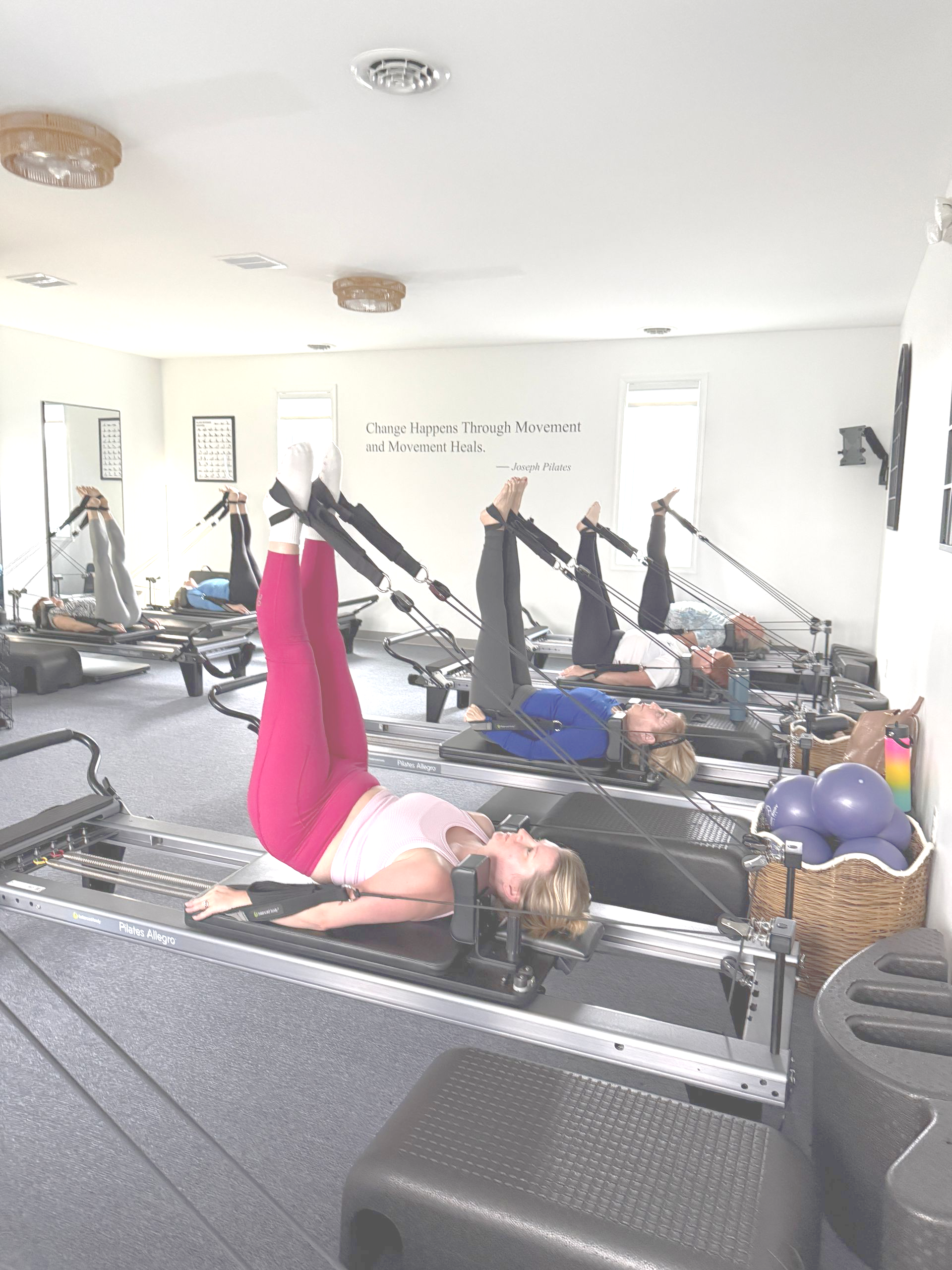
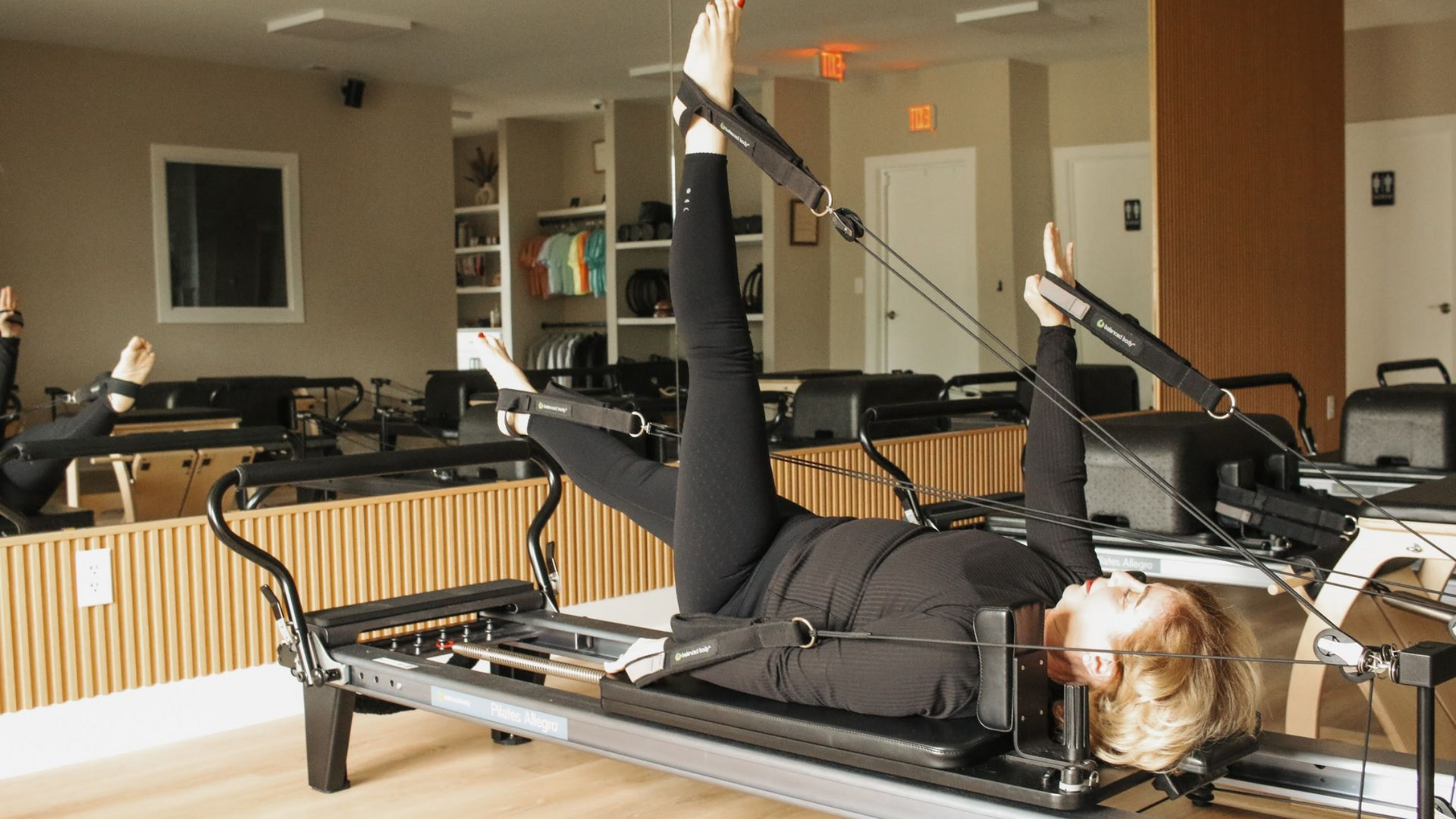
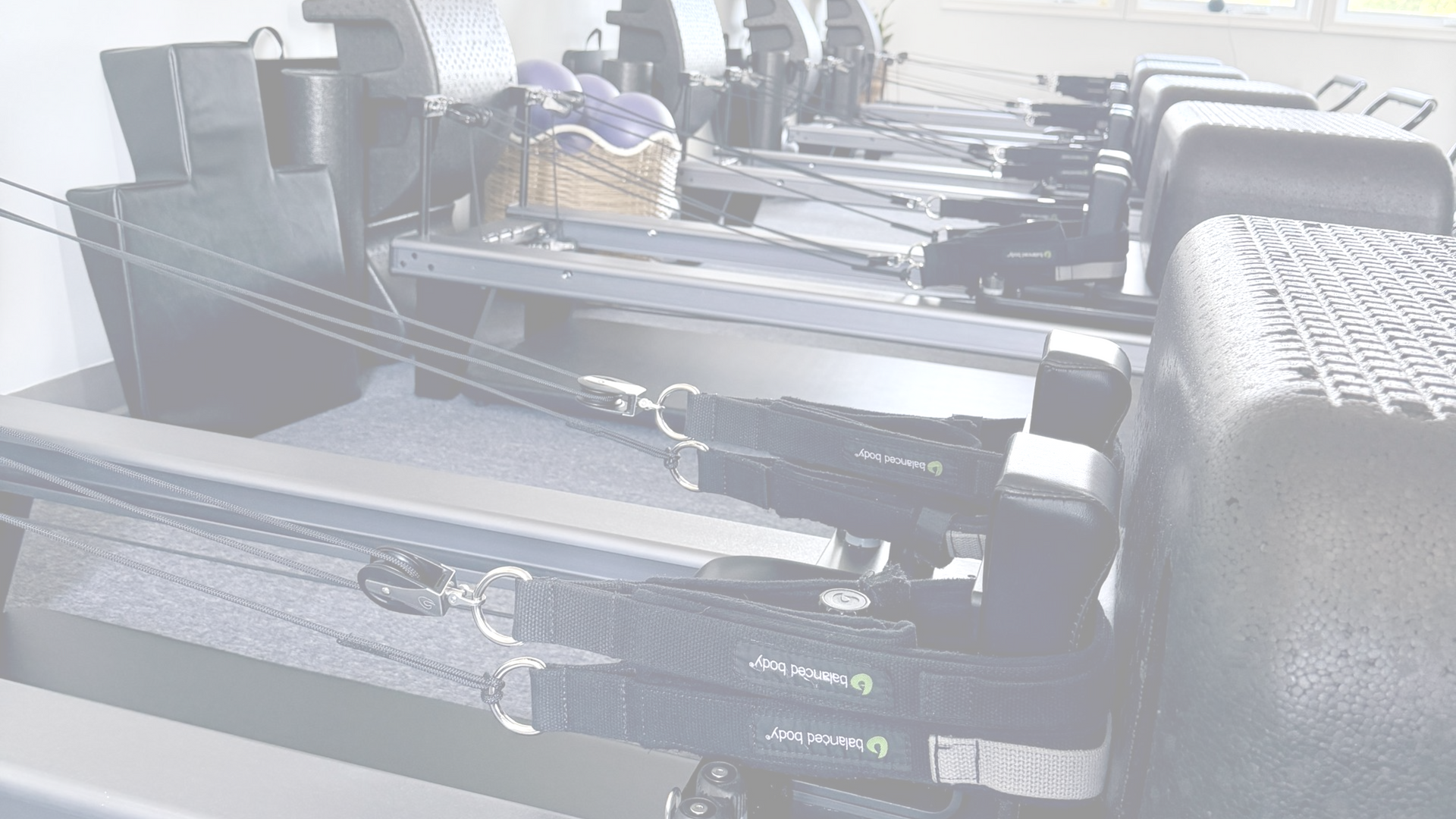
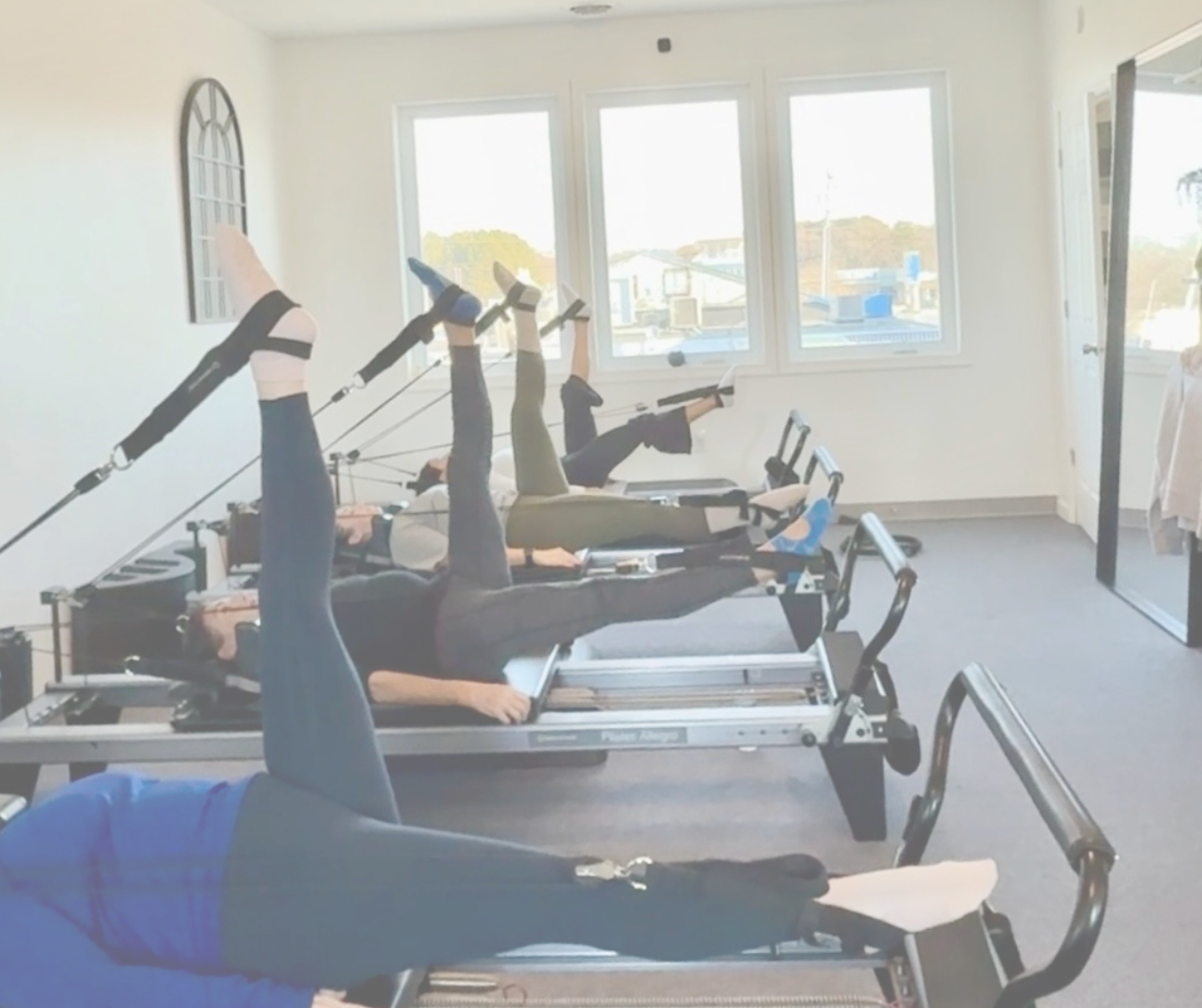
The Konnector is a patented, single-rope pulley system with attachment points for all four limbs. Unlike a traditional reformer strap system, its interconnected design allows the arms and legs to move independently, simultaneously and in relationship to one another.
Because all four straps communicate through one continuous rope, movement in one part of the body creates feedback throughout the entire system.
According to Konnect Method, this design provides constant proprioceptive feedback, supports full-body integration and makes imbalances more recognizable with less external cueing.
This is an important distinction.
On the Konnector, you do not simply move one strap through space. You feel how each limb affects the others. If one arm pulls harder, one leg hesitates, the pelvis shifts or one side moves faster, the rope communicates that difference immediately.
The feedback is physical, continuous and difficult to ignore.
Rather than having an instructor simply tell you that one side is doing something different, the system helps you feel the difference for yourself.
That sensory recognition is essential. Lasting movement change becomes more possible when the brain can identify the pattern, experience an alternative and begin choosing a more efficient strategy.
Taking Konnector Work Beyond the Reformer Carriage
One of the most valuable ways we use the Konnector is by taking the movement off the reformer carriage and bringing it into standing.
The participant may stand safely on the floor beside the reformer while using only the gray Konnector straps with the hands or feet. The reformer becomes a source of responsive resistance and sensory feedback rather than simply a surface on which to lie, sit or kneel.
This allows us to explore movements that more closely resemble the demands of daily life:
- Standing weight shifts.
- Hip extension and abduction.
- Single-leg loading.
- Reaching and rotation.
- Coordinated arm and leg patterns.
- Gait-related movements.
- Changes in direction.
- Controlled responses to resistance.
The floor provides a stable base, while the Konnector supplies feedback that changes with every shift in pressure, direction and muscular effort.
The resistance can challenge balance without requiring the person to stand on an unstable object. This is significant because balance training does not always need to involve wobbling surfaces or dramatic instability. A stable floor combined with carefully directed, changing resistance can create an intelligent and highly functional challenge.
One person may need to develop better awareness of the right foot. Another may need to recognize how the left hip shifts during weight transfer. Someone else may need to reduce excessive pulling from the arms so the trunk and pelvis can organize more effectively.
The Konnector does not assume that every imbalance is the same. It gives each person information about their own
movement strategy.
Why Our Studio Is Different
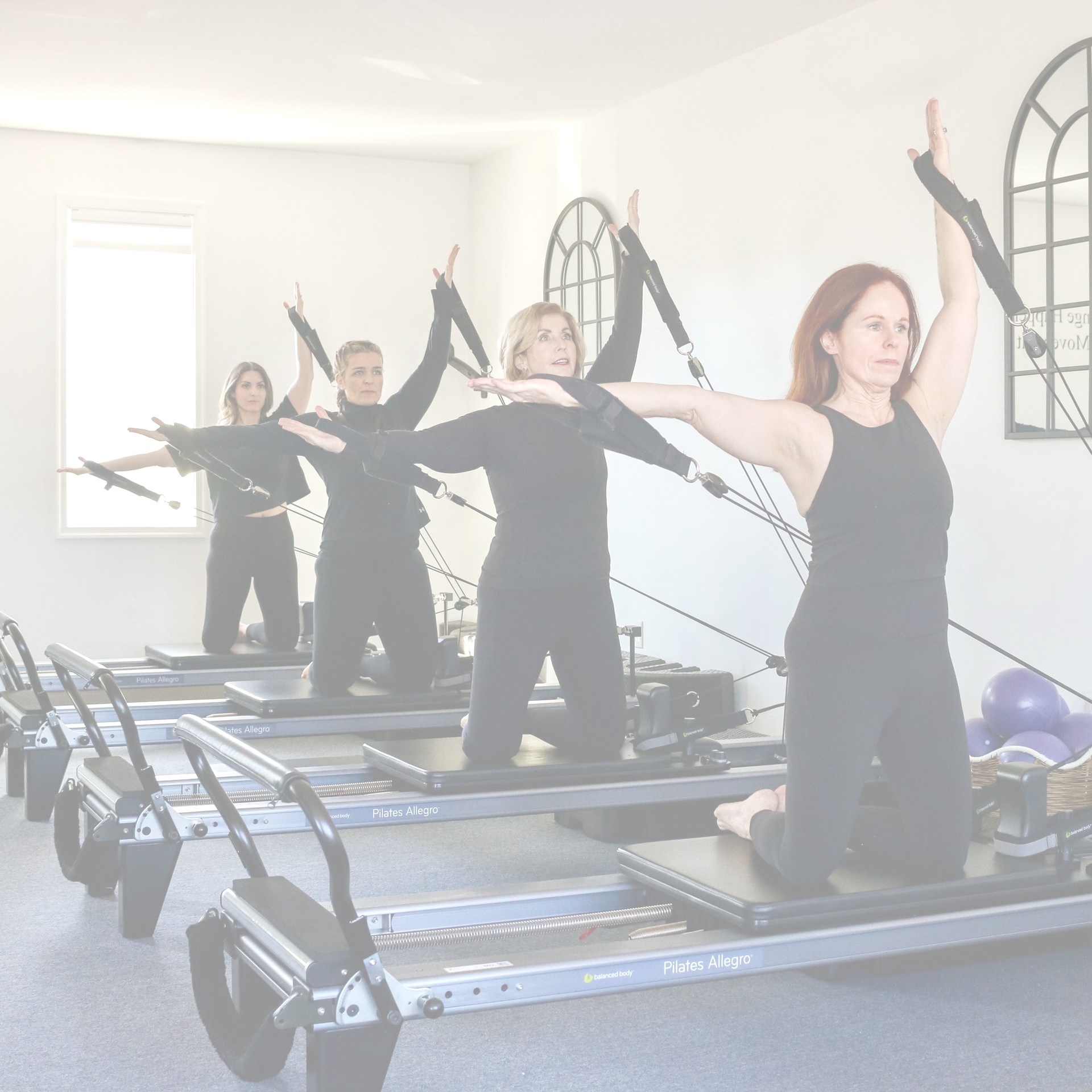
This focus on proprioception, sensory feedback and whole-body integration is one of the primary reasons Pilates by Tammie is different from other studios in Delaware.
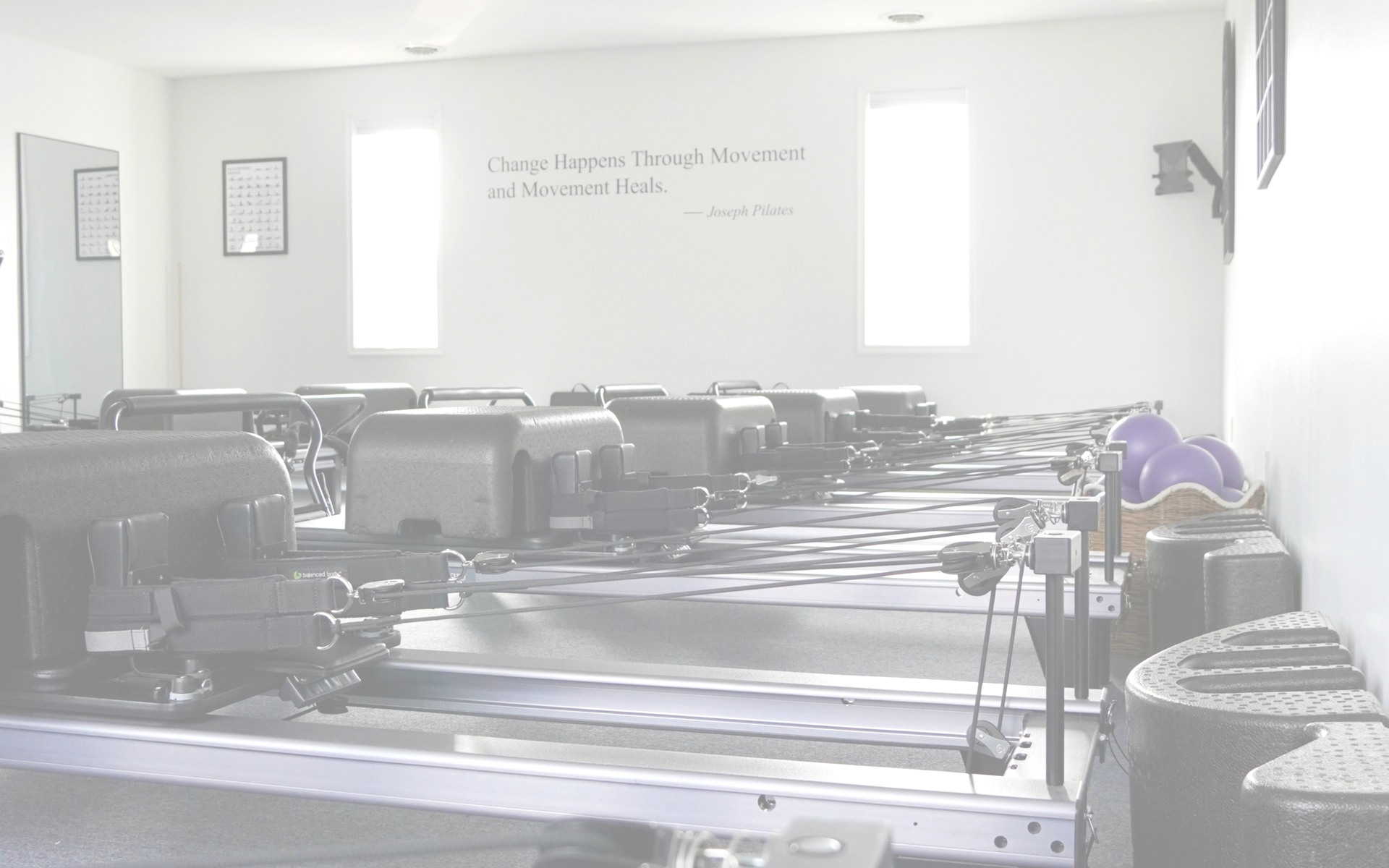
We were the first studio in Delaware to fully embrace the Konnector system, and every one of our group reformers is equipped with it. To my current knowledge, there are not yet comparable Konnector-focused studios in Maryland or Pennsylvania.
That makes our work about far more than offering a different set of straps.
We are introducing our region to a more comprehensive way of understanding movement—one that helps clients recognize how their limbs relate to their trunk, how one side affects the other and how the nervous system organizes the body as an integrated whole.
Our clients are not simply completing exercises. They are developing the sensory awareness needed to understand their own movement.
That process is valuable at every age, but it becomes increasingly important as we work to preserve balance, confidence, adaptability and independence throughout life.
Bringing the Konnect Method to Our Region
Viktor Uygan created the Konnector and developed the Konnect Method from decades of experience in movement, Pilates and rehabilitation-based environments. His work has changed the way I understand and teach movement.
My goal is to help Viktor bring greater awareness of the Konnect Method and the Konnector reformer throughout Delaware and the surrounding region.
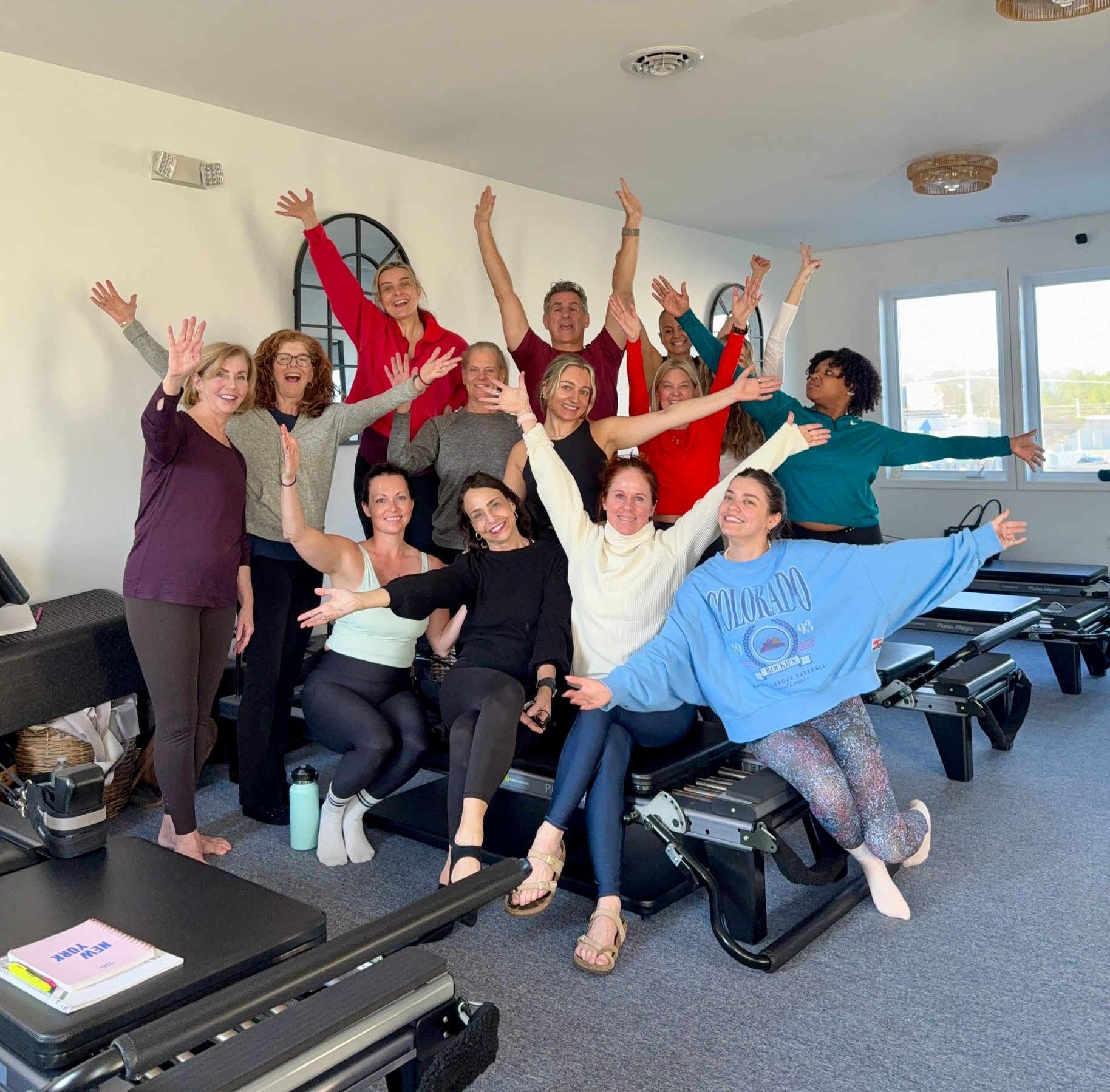
I want more clients, instructors and movement professionals to experience how profoundly the system can change body awareness. I also want our studio to continue becoming a place where instructors can learn, explore and better understand proprioception—not only as a scientific concept, but as something that can be felt and developed through movement.
Because aging well is not simply about maintaining muscle.
It is about maintaining communication between the brain and body.
It is about recognizing change and responding to it.
It is about knowing where you are in space, trusting your body and having the ability to adapt when the environment does not go exactly as planned.
That is
proprioception.
And it is one of the most important abilities we can continue training throughout our lives.
This article is intended for general education and is not a substitute for individualized medical evaluation, diagnosis or physical therapy. Anyone experiencing dizziness, repeated falls, new balance changes, neuropathy or other neurological symptoms should consult an appropriate healthcare professional.