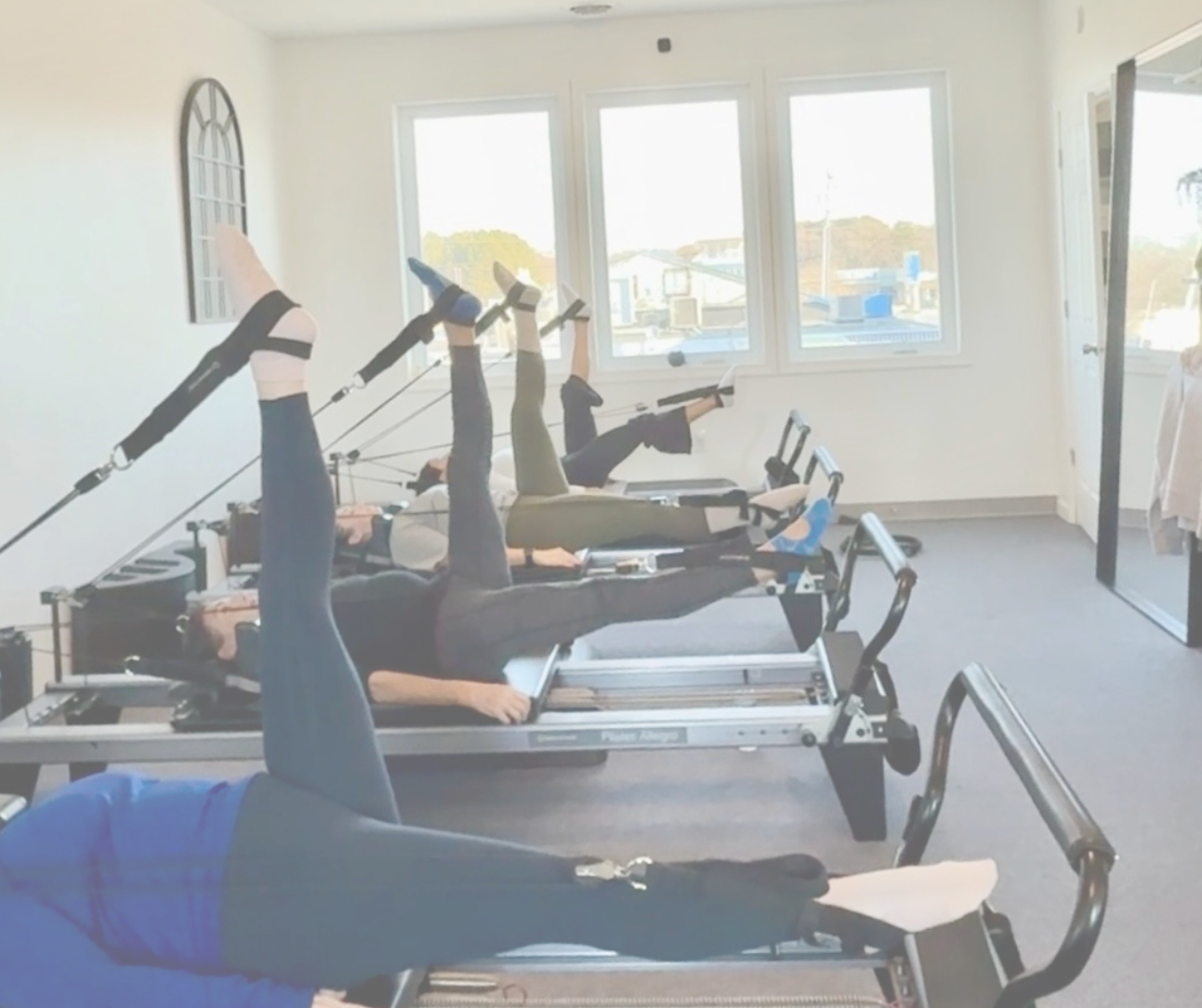
Flexibility and mobility are often used interchangeably, but they’re not the same thing.
And when it comes to Pilates, understanding the difference can completely change the way you think about movement.
Flexibility is how far a muscle can lengthen.
Mobility is how well a joint can actively move through its available range of motion.
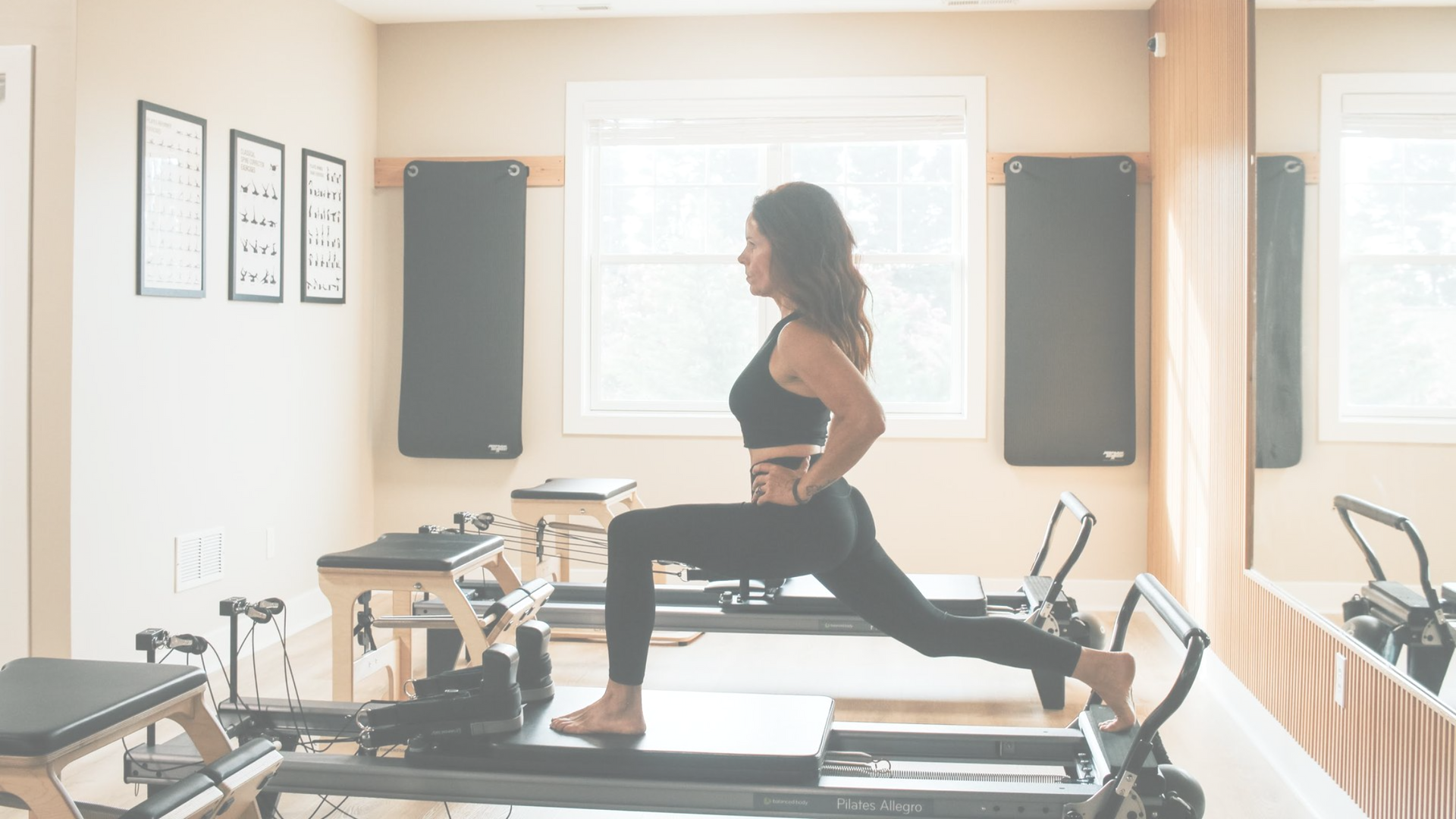
In simple terms: flexibility is about how much range you have, while mobility is about how well you can control that range. You can be very flexible and still have limited mobility. For example, you may be able to pull your leg toward your chest while lying on your back, but can you lift that same leg high while standing without using your hands, shifting your pelvis, or losing your balance? That second example requires more than flexibility. It requires strength, stability, coordination, and control.
And that is exactly where Pilates comes in.
Why Mobility Matters
Good mobility allows your body to move efficiently during everyday activities. Reaching overhead. Rotating to look behind you. Getting up from the floor. Walking up stairs. Playing golf or pickleball. Carrying groceries. Traveling. Hiking. Simply moving through life comfortably. As we age, maintaining our ability to move well becomes increasingly important. While stretching may help improve flexibility, mobility requires us to actually use and control our range of motion. That means strengthening the muscles surrounding our joints while teaching the body how to move with control.
Pilates Trains More Than Flexibility
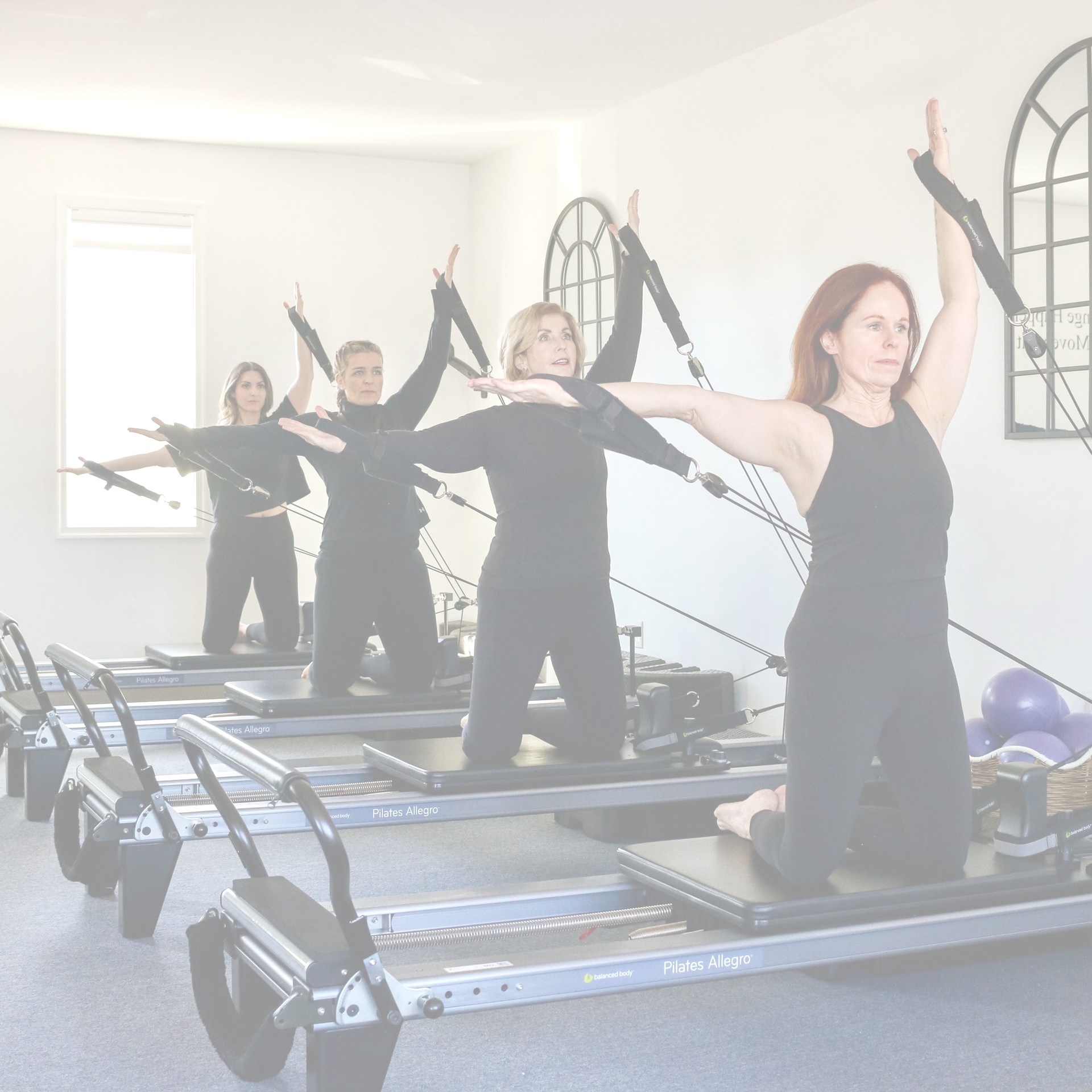
Pilates is sometimes thought of primarily as stretching. There is certainly flexibility involved, but that is only one piece of the puzzle. In a Pilates session, you are constantly working on mobility while also building strength. You may be moving your shoulders through a large range of motion while keeping your ribs and spine controlled. You may be working on hip mobility while maintaining pelvic stability. You may rotate your spine while controlling your trunk instead of simply forcing yourself farther into the movement. That combination of mobility + strength + control is what makes Pilates so valuable.
Rather than simply asking, “How far can I move?” we are also asking:
Can I control the movement? Can I stay stable while I move? Can I move through that range without compensating somewhere else?
The Difference You Can Feel
One of the things clients often notice after practicing Pilates consistently is that everyday movement simply feels easier. You may notice that your shoulders move more freely. Your hips feel less restricted. You can rotate more comfortably. Getting up and down from the floor feels easier. Your balance improves. You feel stronger at the very end range of a movement instead of feeling unstable there.
That is mobility.
And improving mobility isn't about becoming the most flexible person in the room. It is about creating a body that is strong, adaptable, and capable of moving well.
Flexibility Still Matters
Of course, flexibility is important too. Muscles need enough length to allow our joints to move freely. If certain muscles are extremely tight, they can restrict movement and cause the body to compensate somewhere else.
But flexibility without strength or control isn't necessarily useful. Ideally, we want both. We want enough flexibility to access movement and enough strength and control to own that movement.
This Is Why We Move in So Many Different Ways
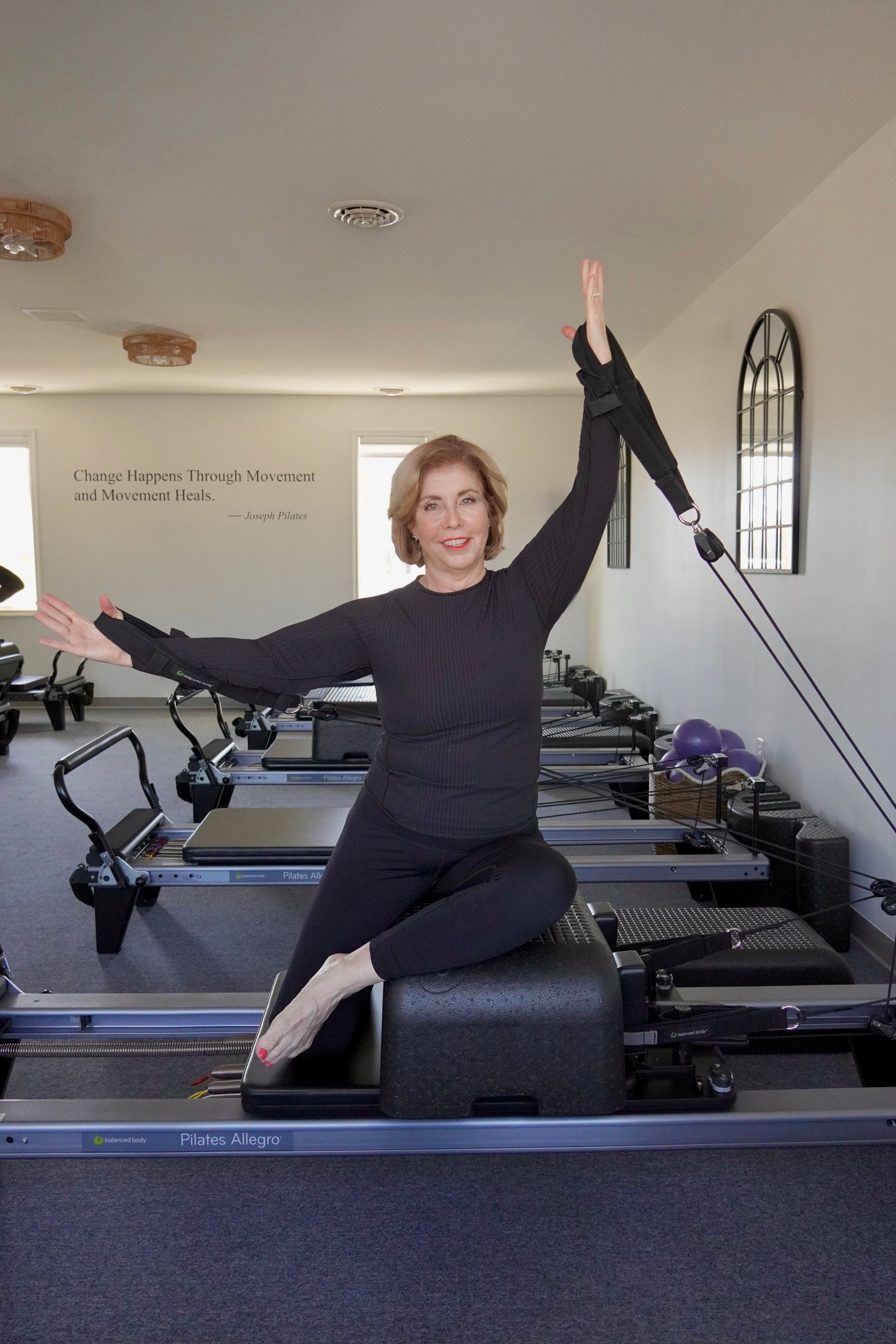
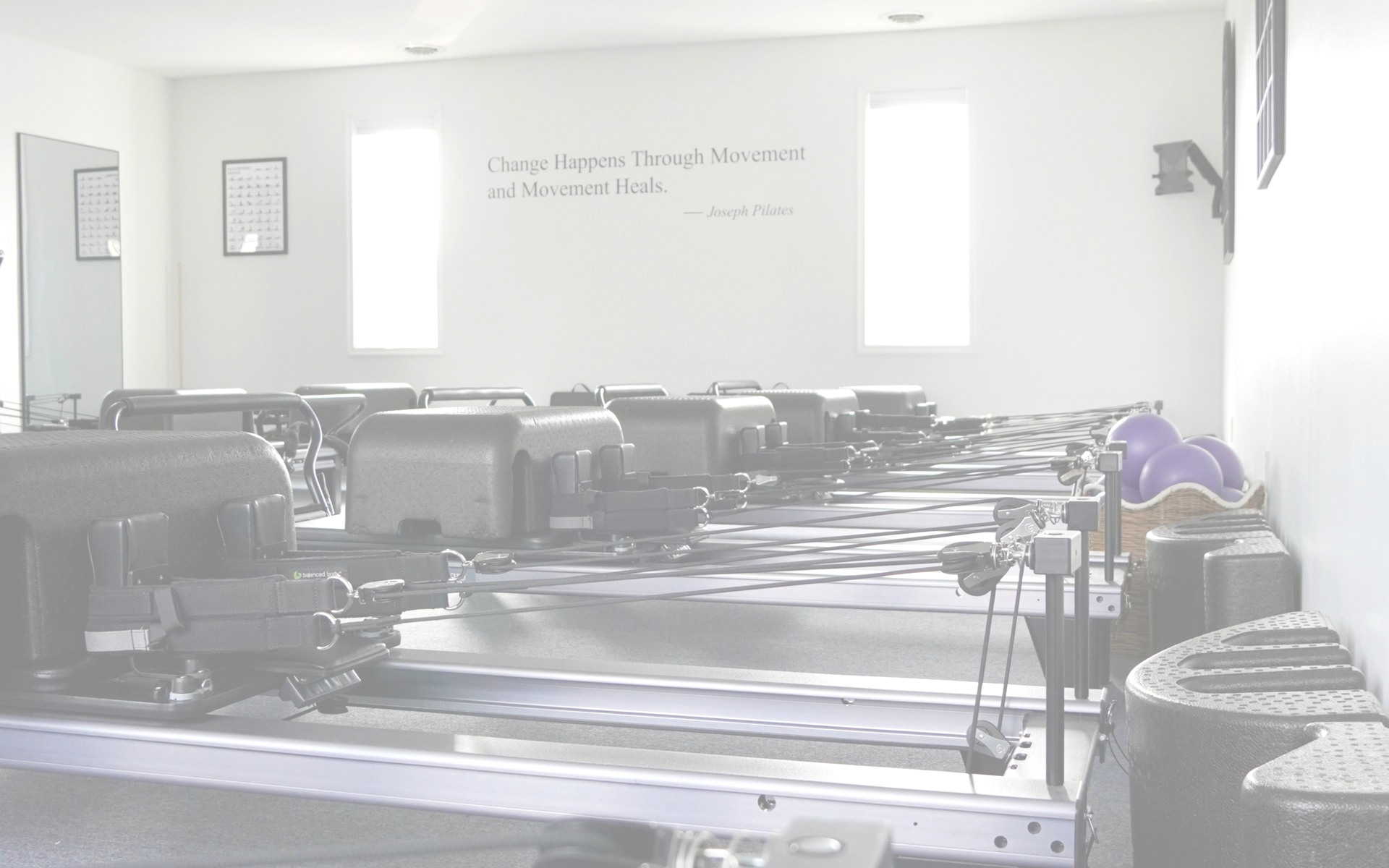
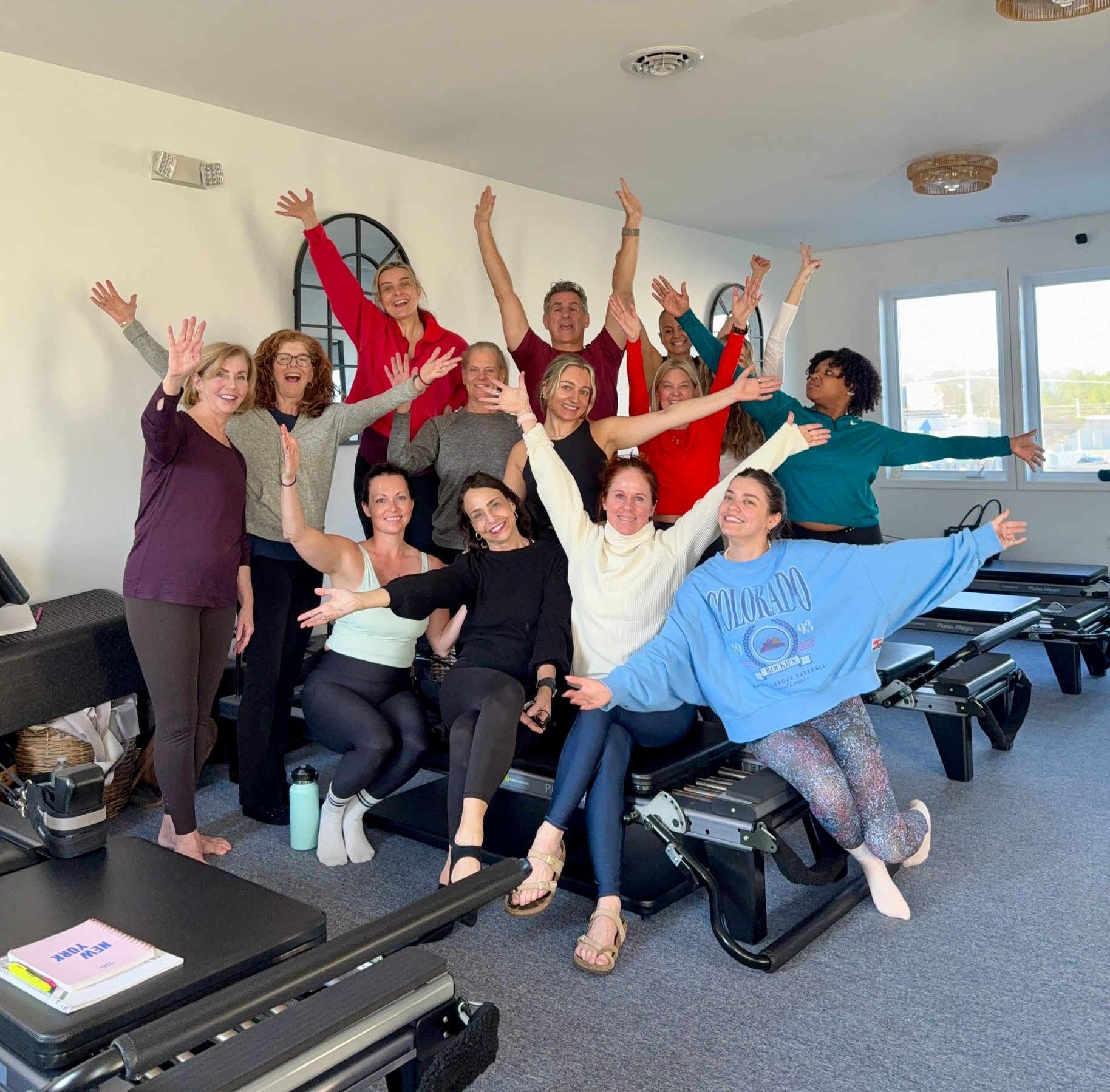
At Pilates by Tammie, we use the reformer, Konnector®, chair, mat work, and other equipment to challenge the body in different positions and planes of movement. Each piece of equipment gives us another opportunity to explore movement while developing strength and control. Sometimes the goal is greater range. Sometimes it is stability. Sometimes it is coordination. And very often, it is all three at once.
That is one of the things I love most about Pilates: we aren't simply stretching muscles or strengthening isolated areas. We are teaching the entire body how to move better together.
Konnect. Move. Transform.